The region drives the change.
In northern Germany, the development agencies and economic development corporations of Heide and Rendsburg, along with the independent cities of Neumünster and Kiel, have joined forces to form the “Clean Energy Valley” to promote the further processing of renewable energies in the region.
KoReGio accompanies this process and brings together civil society, politics, administration, business, and science. Together, we make visible where tensions and potentials arise and develop solutions for sustainable regional development that is understood, supported, and shaped locally.
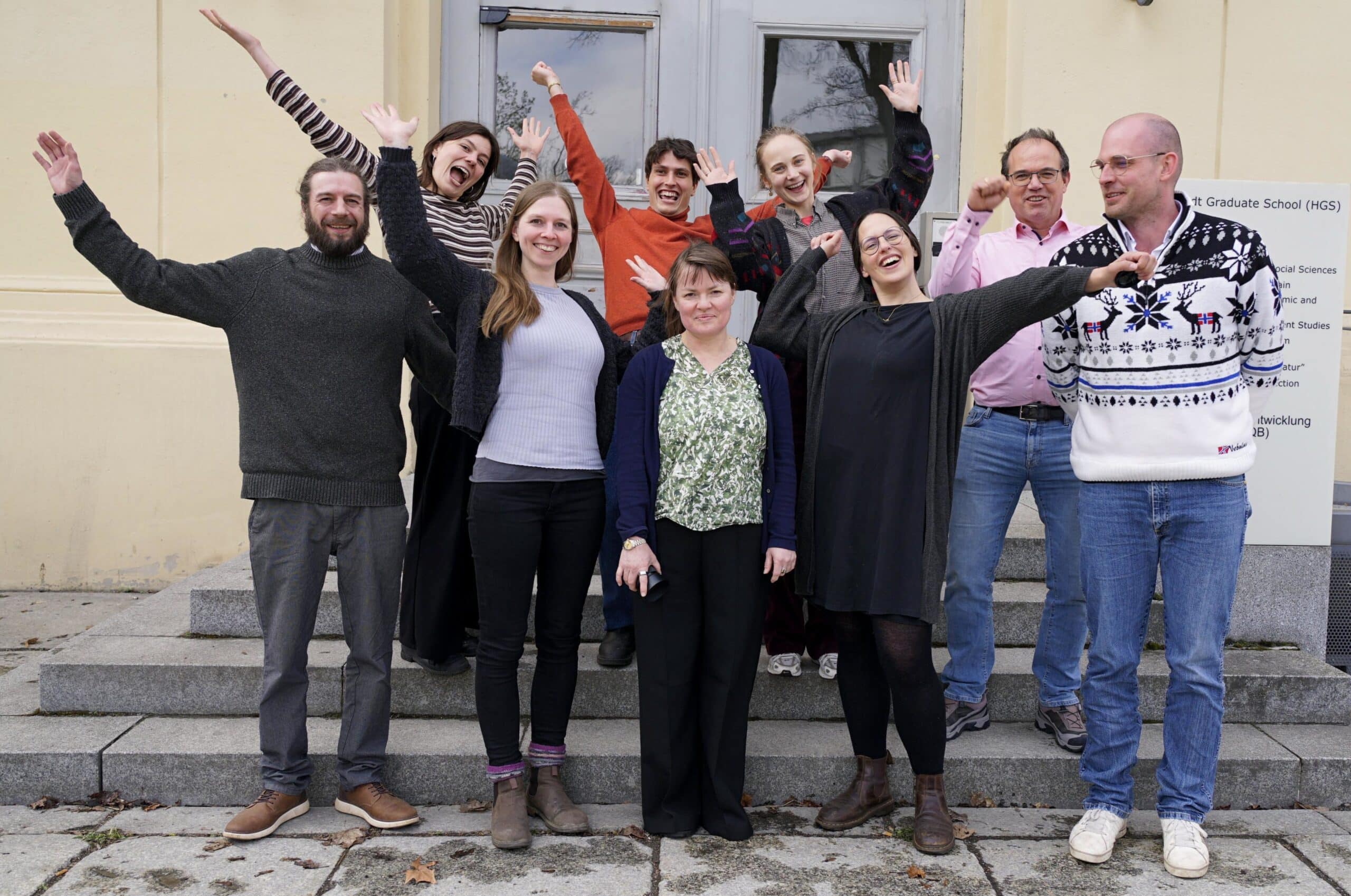

Progress succeeds when people shape change together.
The energy transition is changing regions: land is being re-evaluated, interests collide, and questions about use, participation, and future viability are becoming more concrete. KoReGio does not view this change as a mere top-down planning process, but as a collaborative learning and design process. It is a task that no single actor can manage alone, but one that requires many different perspectives.
As a design workshop, KoReGio creates spaces where different perspectives are heard, conflicts are made manageable at an early stage, and sustainable solutions can be developed.
In doing so, the proposed solutions are also examined with regard to their impact on the natural environment and its specific characteristics.
Transdisciplinary Process
KoReGio deliberately works across disciplinary boundaries. Science, administration, practice, and society jointly develop questions, perspectives, and solutions. In this way, knowledge is not created in a closed room, but in exchange with the region.
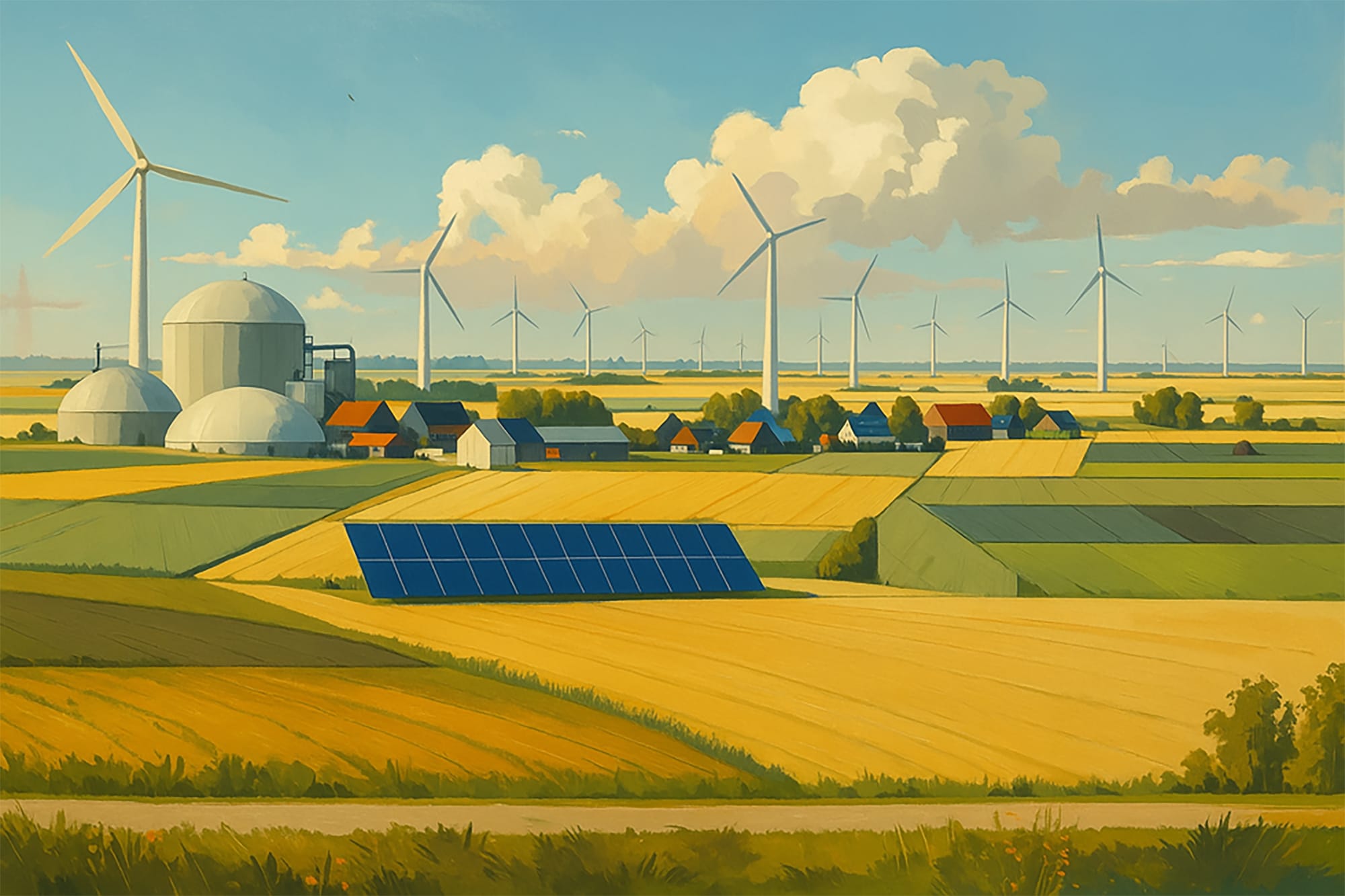
KoReGio connects perspectives.
Energy, agriculture, land use, municipal development, and social participation belong together.
KoReGio makes these connections visible and supports the region in developing a collective capacity for action from diverse interests.
Three thematic areas give KoReGio a clear content structure.
They show what matters in regional change: understanding ecological connections, using digital solutions, strengthening social innovation, weighing up land and resources fairly, and shaping change together with the region.
Ecosystem Services & Digital Solutions
KoReGio investigates how natural resources, landscapes, and ecosystem services can be integrated into regional decision-making processes.
Digital solutions help to present complex relationships clearly, make knowledge usable, and support well-founded decisions.
Strengthening Social Innovation Capacity
KoReGio strengthens participation, dialogue formats, and social learning processes so that change is not just planned, but broadly understood and supported.
The energy transition needs more than technology – it needs solutions that take natural space, landscape, and social concerns into account in equal measure.
KoReGio asks what new forms of cooperation are needed and what knowledge is required so that change can be initiated and shaped by the region itself. We test this together in various formats.

Land and Resource Use Conflicts
Land and resources are limited, while the demands and goals for their use are diverse and not always compatible. Change therefore always involves negotiation processes.
KoReGio makes conflicts, but also common interests, visible and develops formats that support stakeholders in addressing different positions with one another early on, constructively, and with low barriers to entry.
A team for dialogue, research, and regional design.
The KoReGio team brings together scientific expertise, process competence, and regional perspectives. Together, we accompany the change in the Clean Energy Valley – in an understandable, dialogue-oriented manner and with the goal of making participation effective.
Management
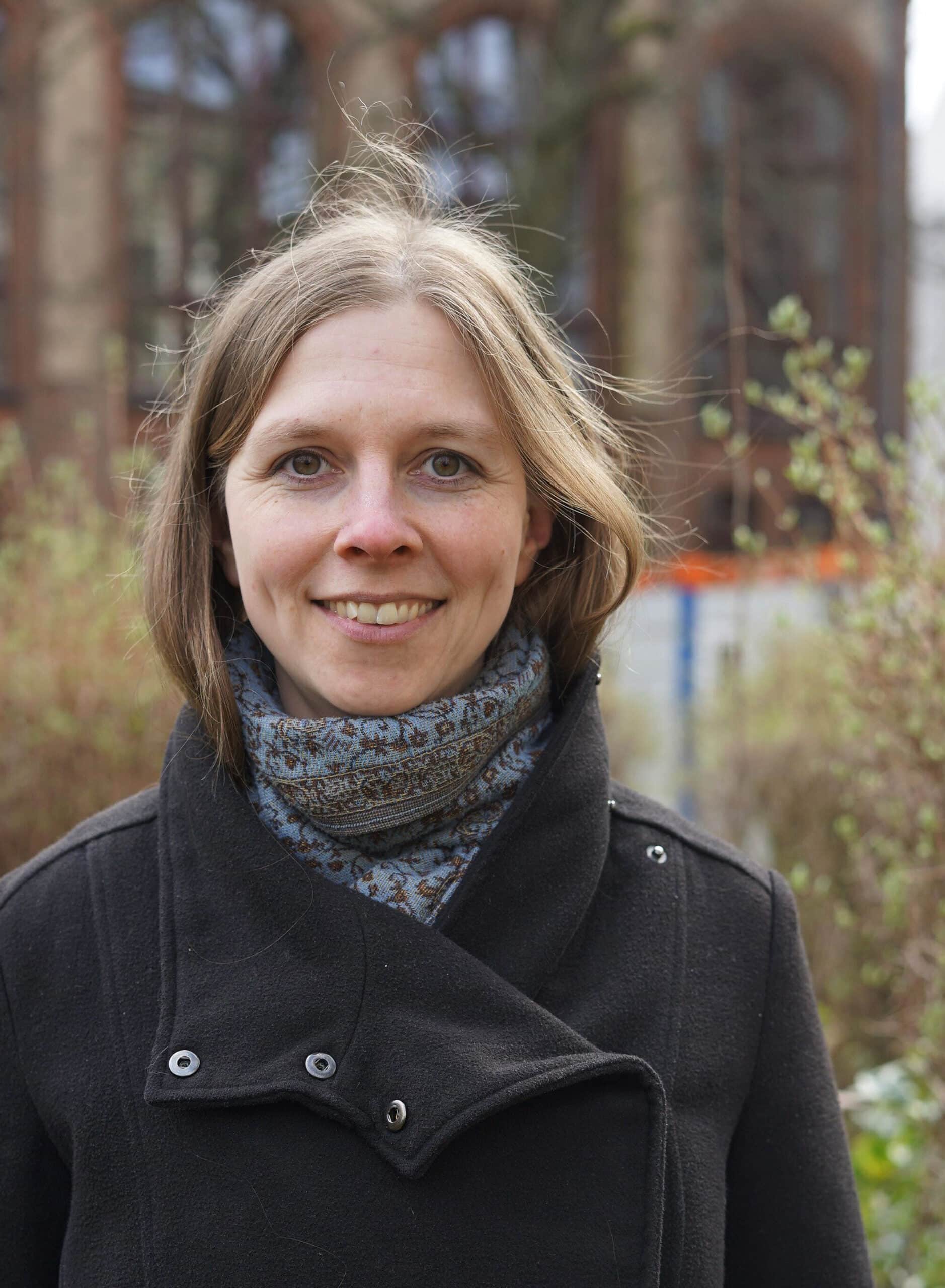
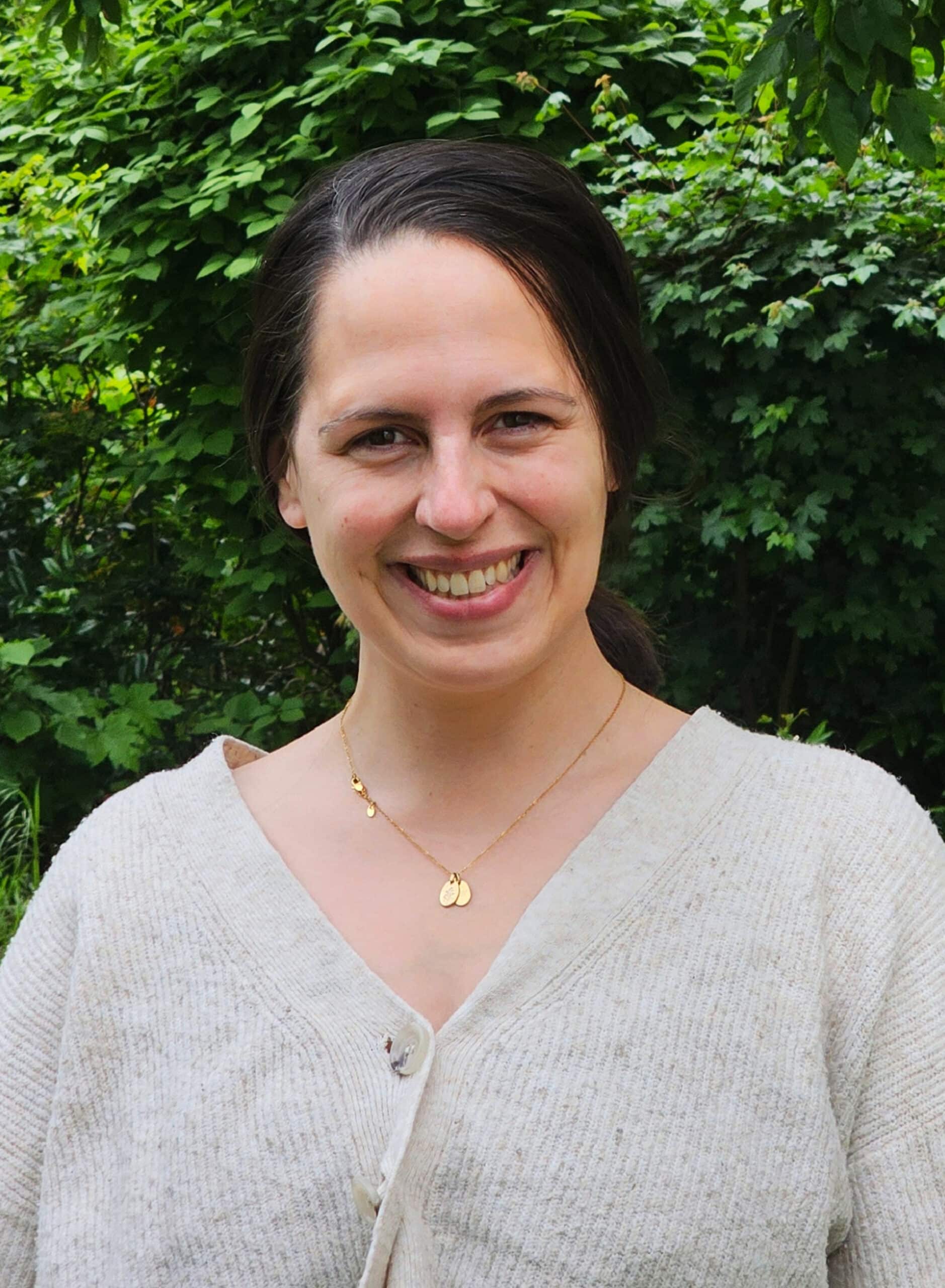
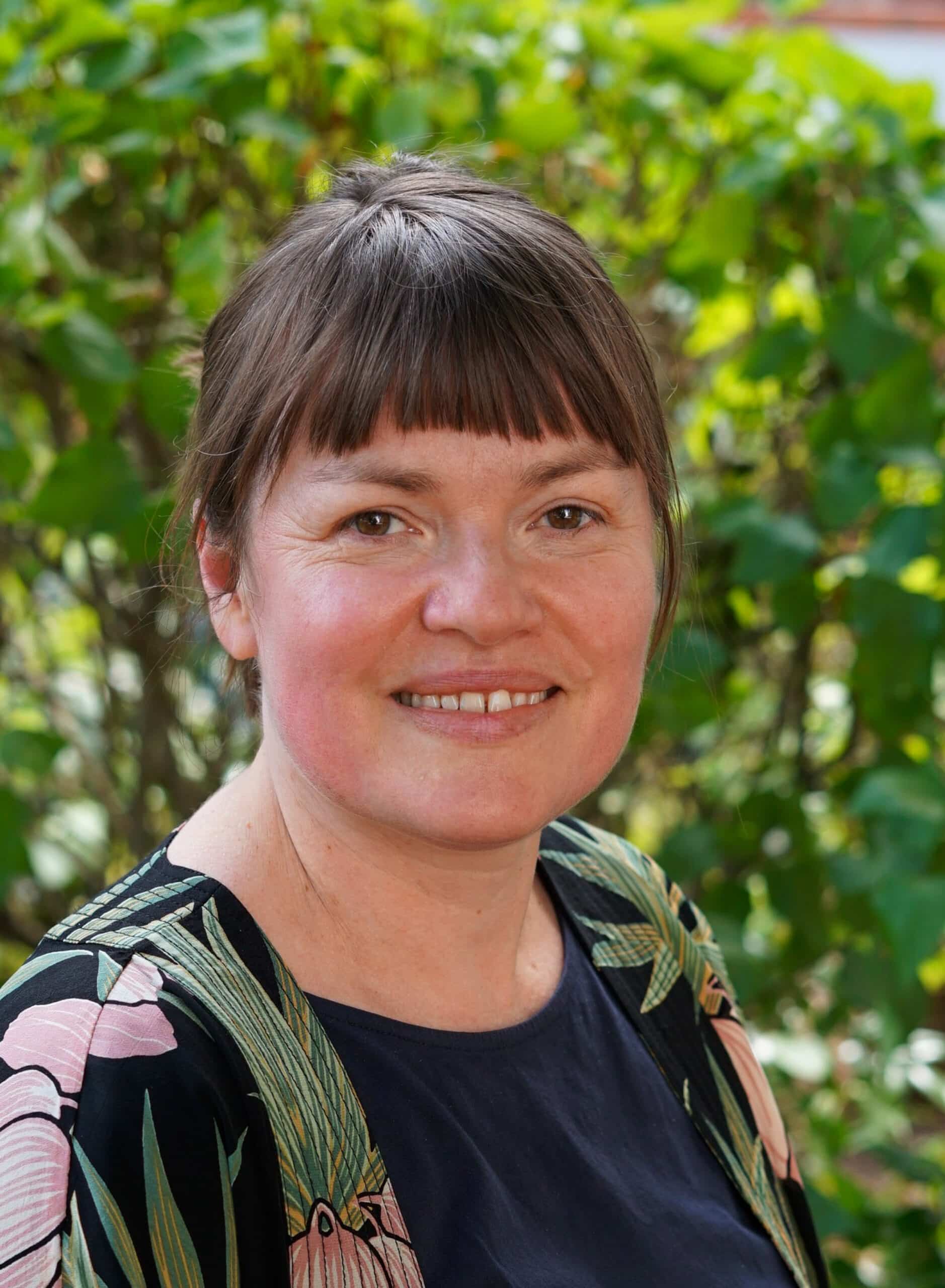
Katrin Barth
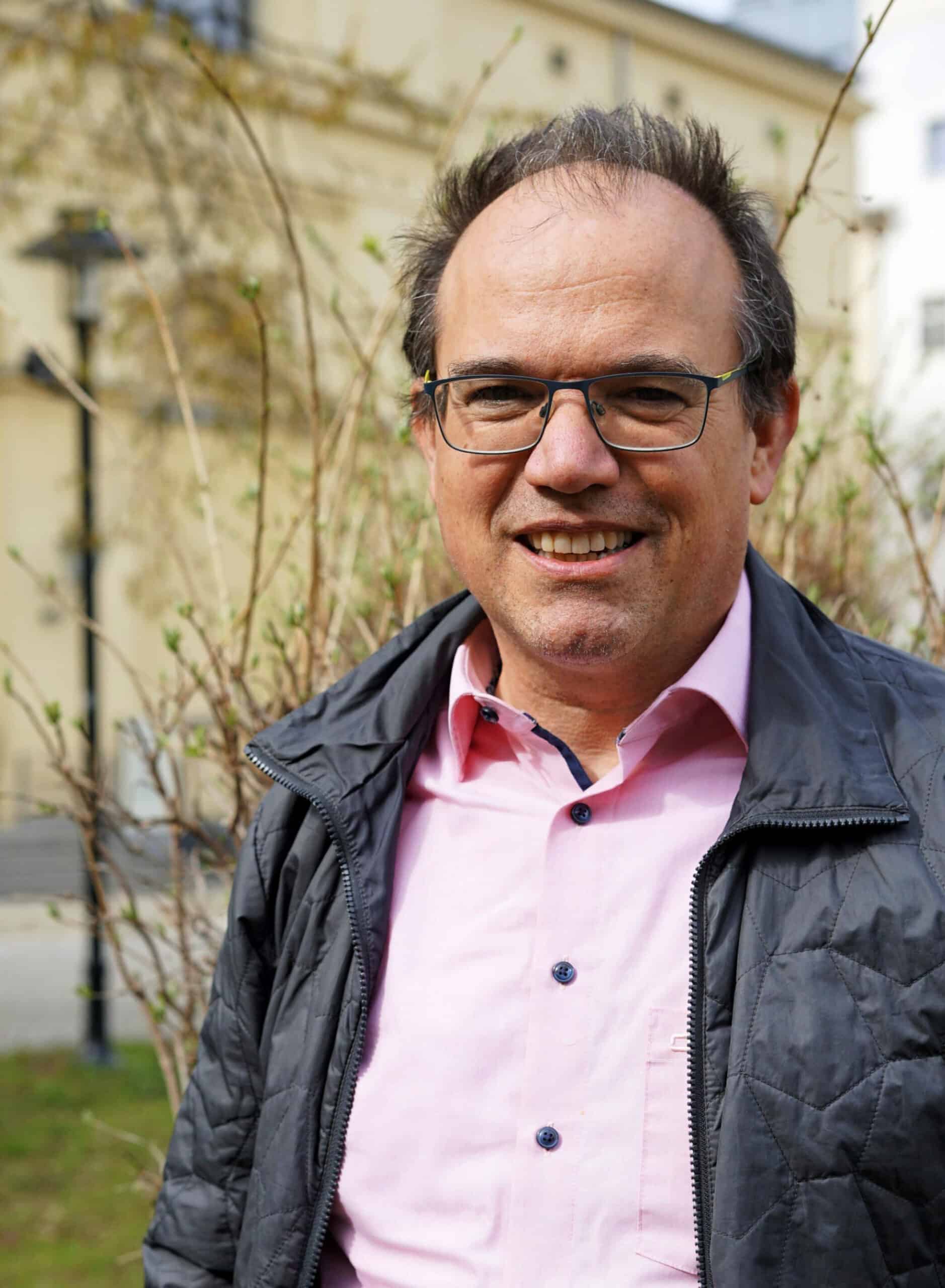
Prof. Dr. Christopher Conrad
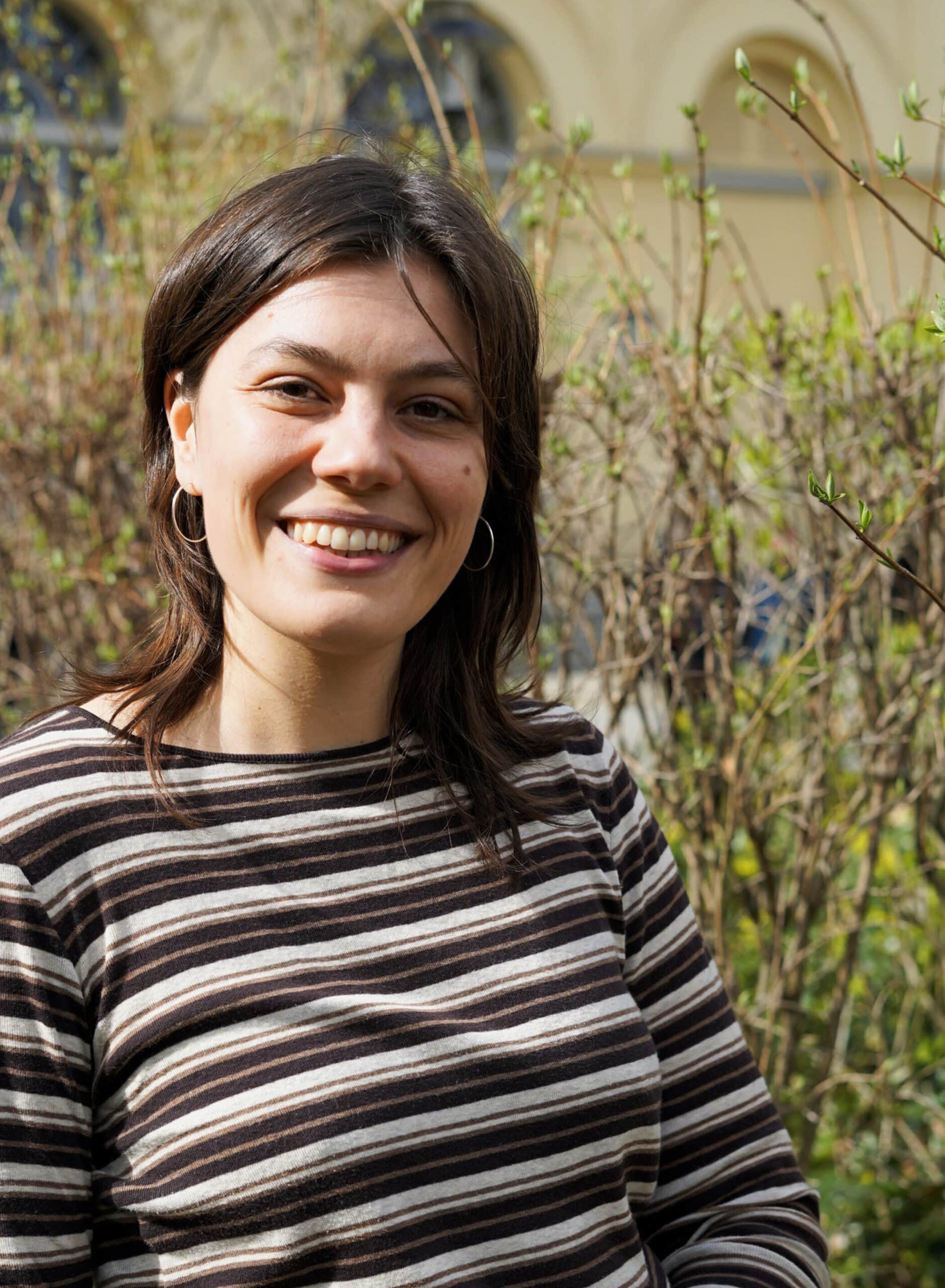
Lina Engel
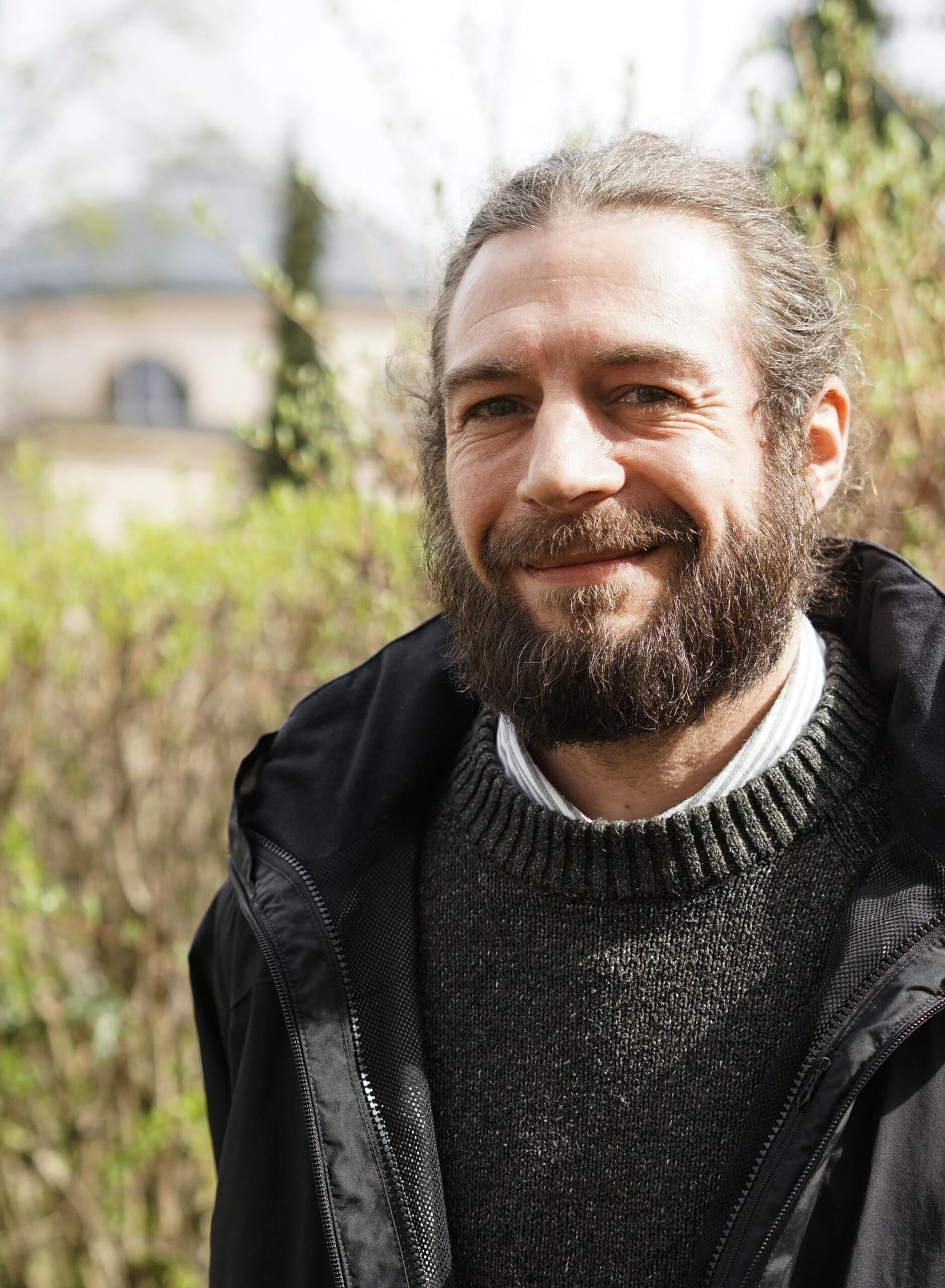
Tino Fauk
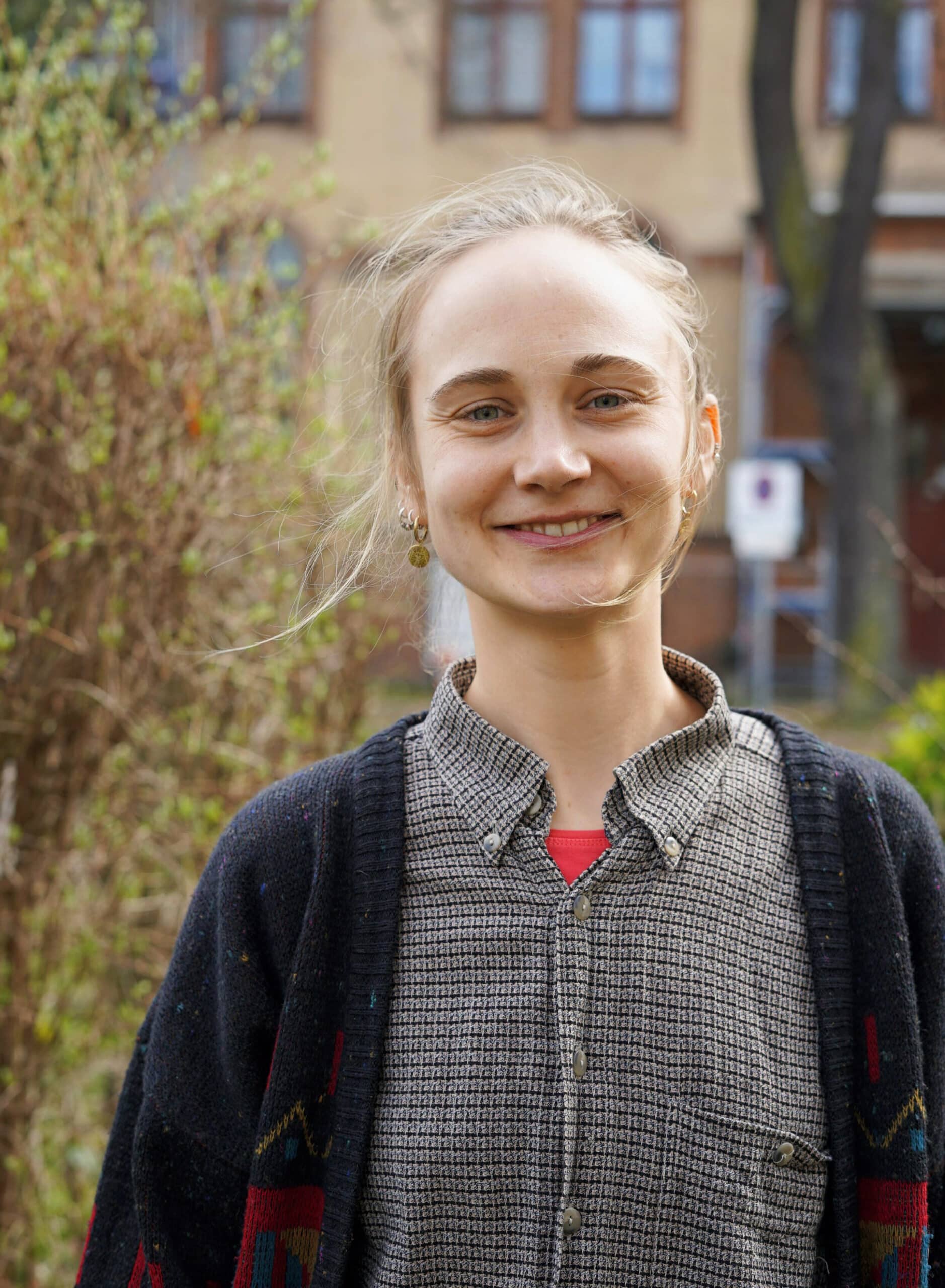
Janna Hilker
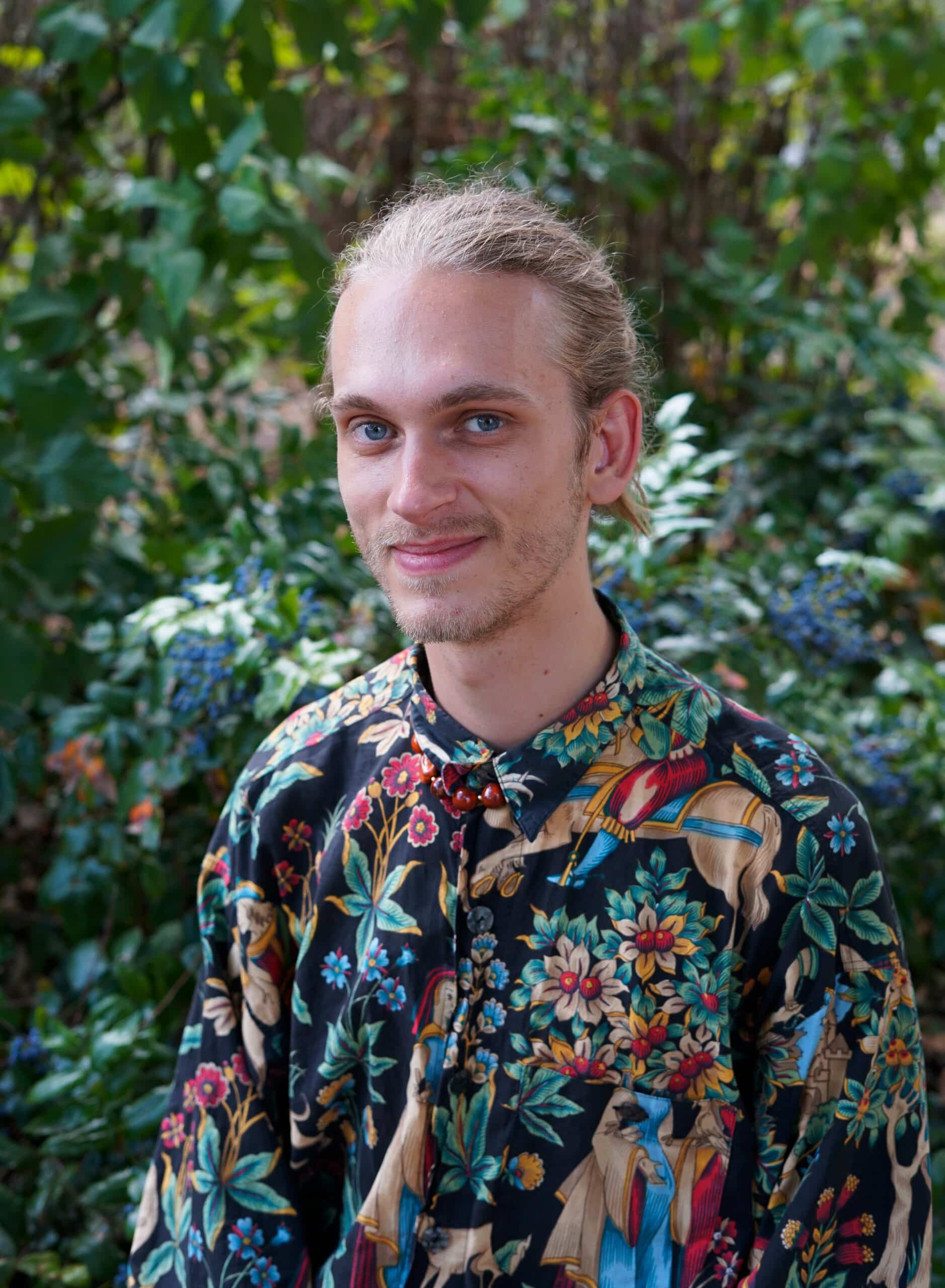
Leon Schulte
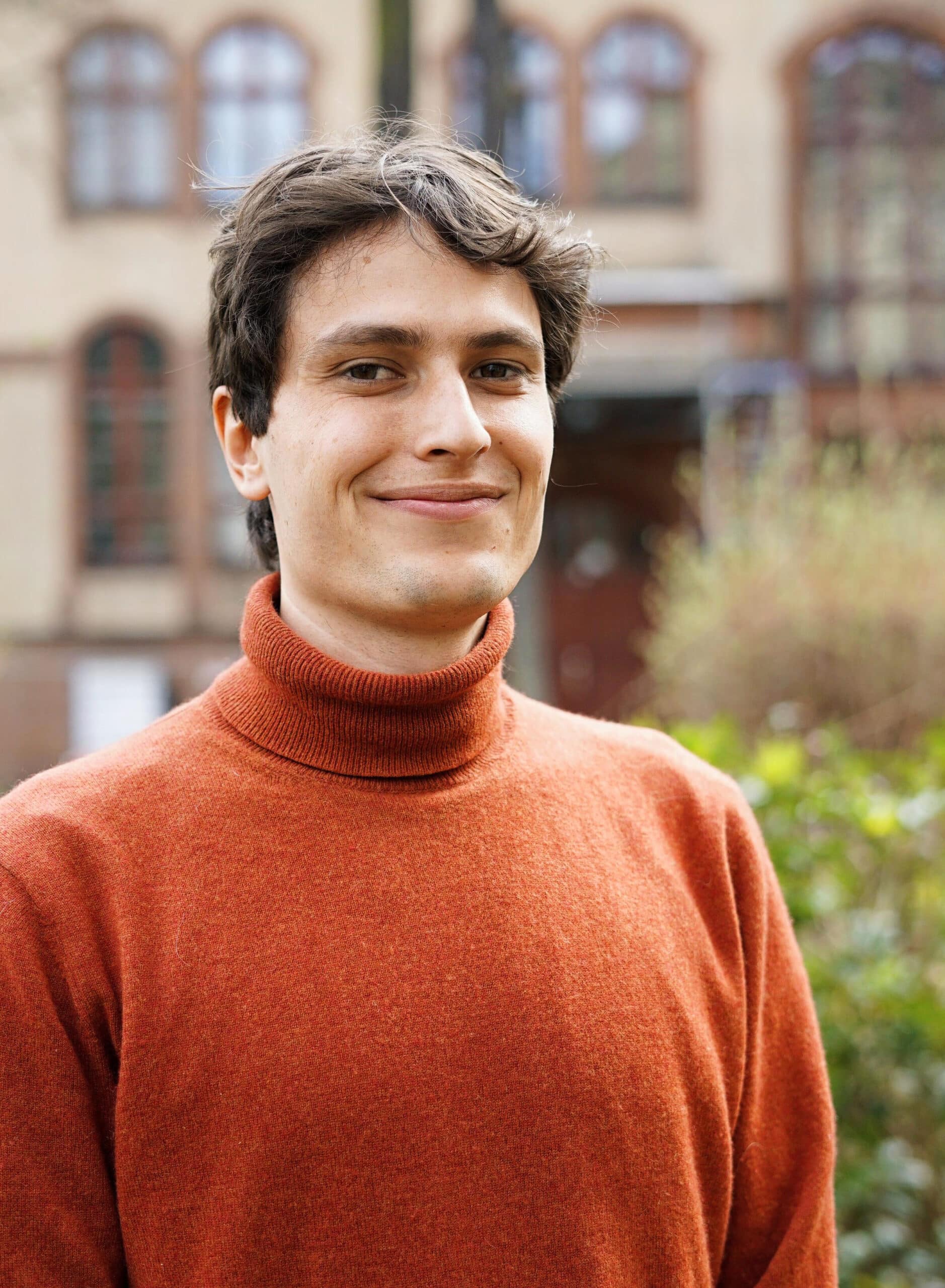
Arvid Tschesche
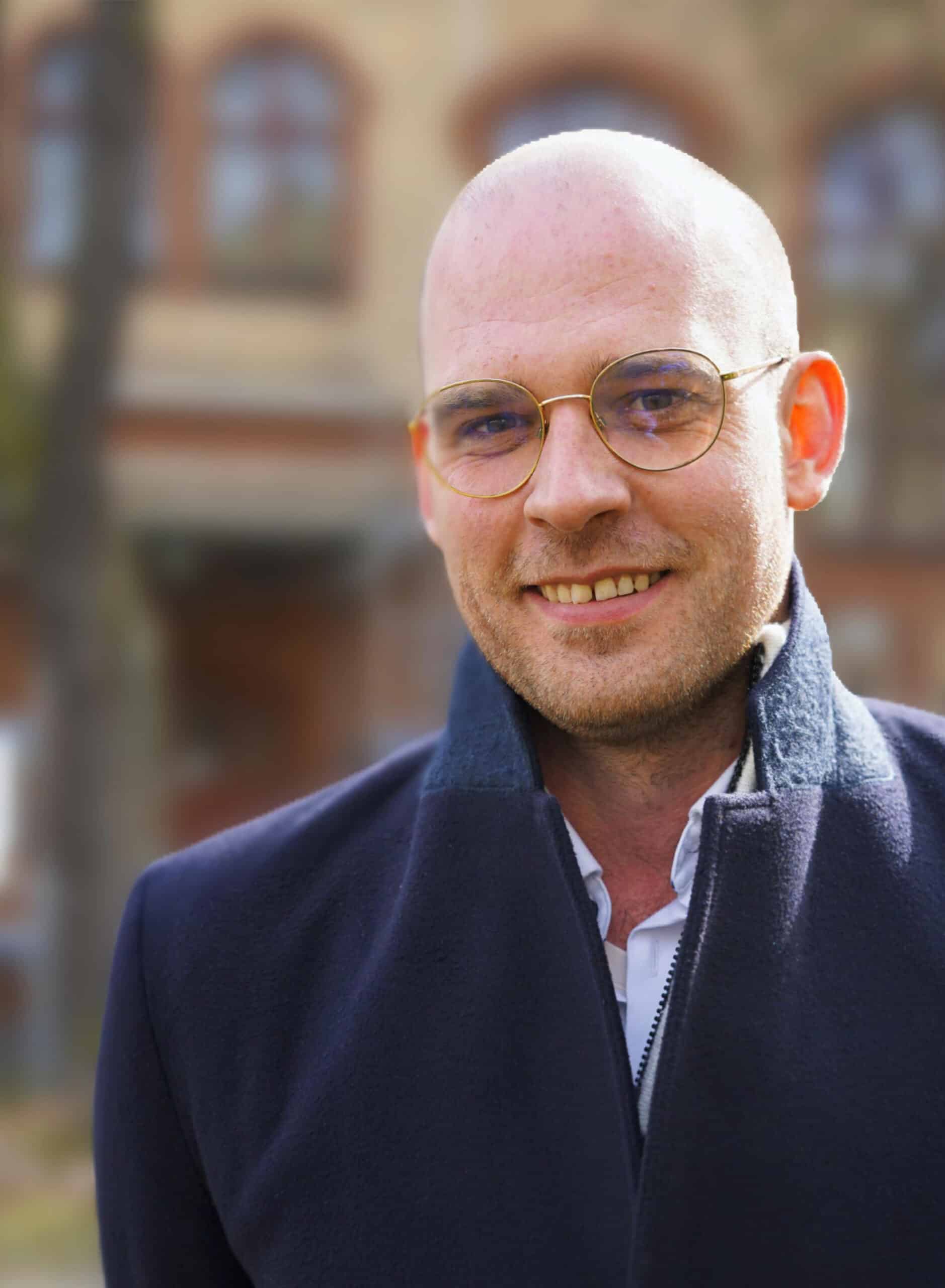
Jan-Lukas Wenzel
Network Partners
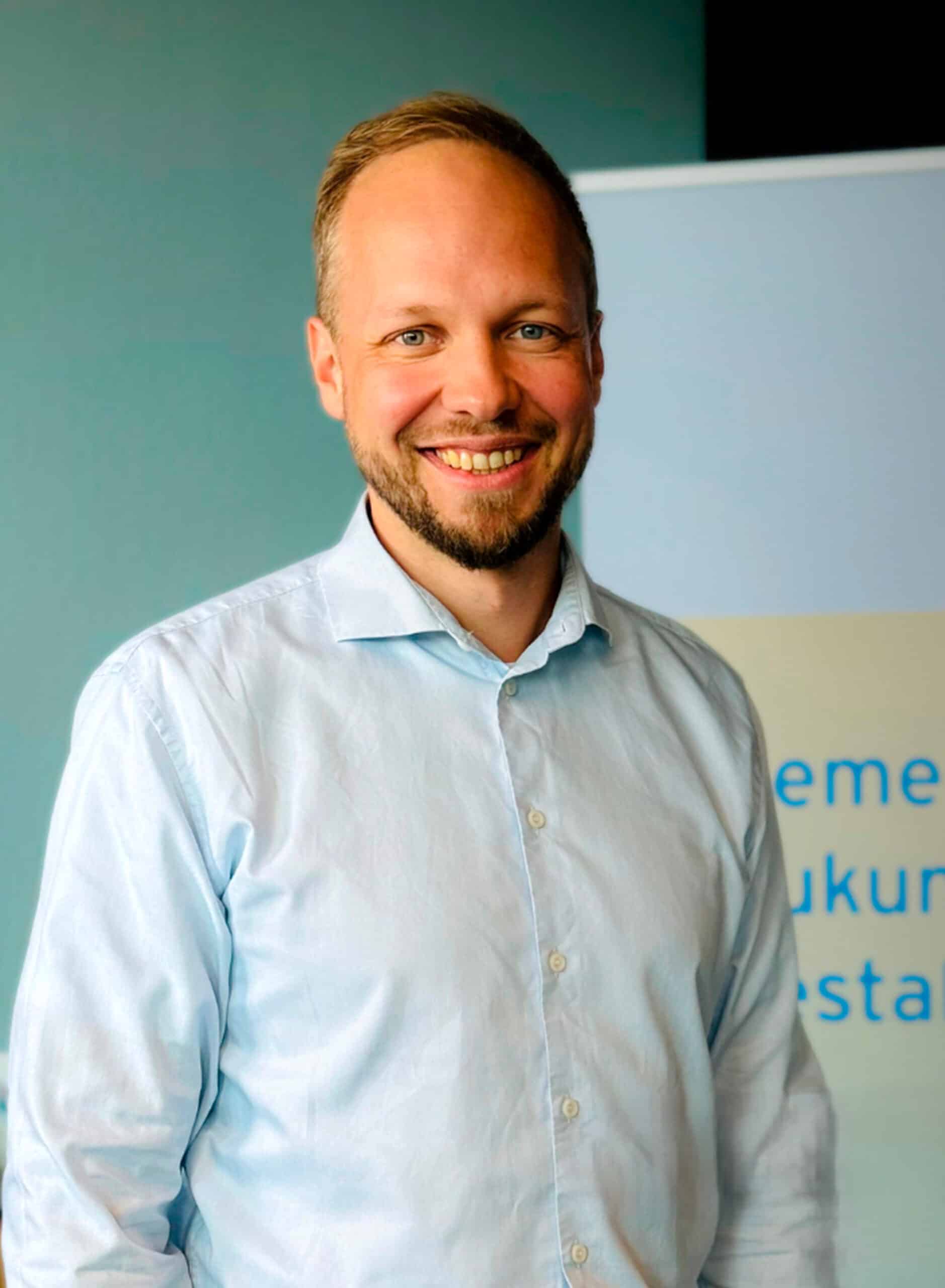
Steffen Volk
Clean Energy Valley Schleswig-Holstein
Frequently Asked Questions about KoReGio
KoReGio is a junior research group funded by the Federal Ministry of Education and Research (BMBF) (funding period: 2025–2030). Working in a real-world laboratory in the Clean Energy Valley in Schleswig-Holstein, it researches how regions can be empowered through new forms of cooperation to independently evaluate, initiate, and shape socio-ecological transformation processes. The cornerstones are the consideration of ecosystem services, the strengthening of cooperation skills, and the early identification and management of potential conflicts.
The junior research group consists of scientists from the Martin Luther University Halle-Wittenberg, the Humboldt University of Berlin, and the Leibniz Centre for Agricultural Landscape Research in Müncheberg. Furthermore, we work with the Clean Energy Valley as a permanent practice partner.
The junior research group consists of scientists from Martin Luther University Halle-Wittenberg, Humboldt University of Berlin, and the Leibniz Centre for Agricultural Landscape Research in Müncheberg.
Our practice partner is the Clean Energy Valley initiative, a network of the economic development agencies of Kiel, Neumünster, and Rendsburg-Eckernförde, as well as the Heide Region Development Agency. This network is coordinated from Kiel and aims to strengthen the northern economic area between the North Sea and the Baltic Sea as a location for renewable energies, green hydrogen, and sustainable industrial development, positioning it as an integrated energy transition region.
KoReGio was developed together with the practice partners from the very beginning and is therefore oriented towards the needs of the region.
Because regional transformation only succeeds if local people are involved. KoReGio does not rely on pure top-down information, but on dialogue, exchange, and joint development. The perspectives of the region are a central component of the project.
KoReGio is aimed at municipalities and administration, citizens, young people, agriculture, business, trade, as well as clubs and associations. Each target group brings its own experiences, questions, and interests.
KoReGio wants to create understanding, build trust, and enable participation. The goal is not to ignore tensions, but to address them constructively – so that sustainable solutions for the region can emerge.